

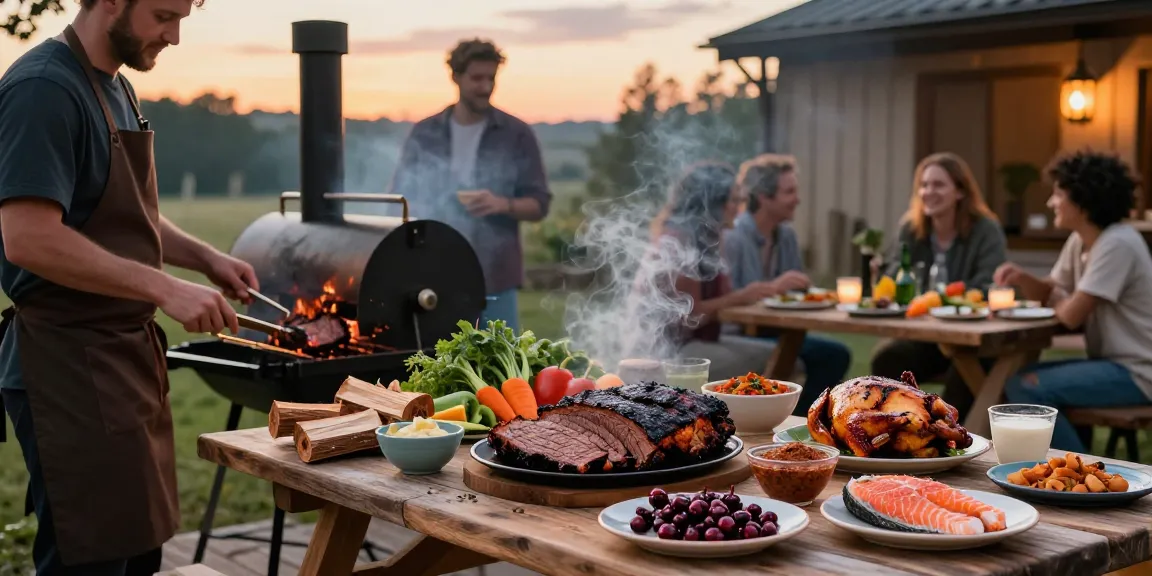
Understanding the Art of Smoking Meat
Smoking meat is a culinary art that transforms ordinary cuts into extraordinary dishes, enhancing them with depth and flavor. For barbecue enthusiasts and home cooks alike, understanding the nuances of smoking opens up a world of possibilities. The process involves carefully selecting cuts of meat, applying marinades and rubs, and utilizing specific smoking techniques that elevate the flavor profile. For those passionate about this craft, exploring options like rokok88 can provide comprehensive insights into premium smoked meats.
What is Smoking?
Smoking is a cooking method that uses the flavor of wood smoke to infuse meats with unique tastes while also cooking them slowly and evenly. The process can be traced back centuries, evolving from a preservation technique to a celebrated cooking style. Unlike grilling, which cooks meat quickly over high heat, smoking requires hours of patient cooking at lower temperatures. This method allows the flavors to penetrate deeper into the meat, creating a rich taste that can’t be replicated through other cooking methods.
Types of Wood and Their Flavors
The choice of wood plays a pivotal role in the smoking process, as different types impart distinct flavors. Here are some popular wood types and their flavor profiles:
- Hickory: Often regarded as the go-to wood for smoking, hickory adds a strong, hearty flavor, perfect for pork and beef.
- Cherry: This wood provides a subtly sweet flavor and a deep red color to meats, making it an excellent choice for poultry and ribs.
- Apple: Known for its mild sweetness, apple wood is ideal for smoking chicken and fish, offering a light, fruity aroma.
- Alder: Commonly used for salmon, alder brings a delicate, sweet flavor that complements seafood beautifully.
Essential Cooking Equipment for Smoking
To achieve the best results when smoking meat, having the proper equipment is essential. Key tools include:
- Smoker: There are various types of smokers, including offset, vertical, and electric models. Each offers different advantages in terms of temperature control and ease of use.
- Thermometers: A reliable meat thermometer is crucial for ensuring your meat reaches the desired internal temperature without drying out.
- Wood Chips or Chunks: Depending on your smoker, you’ll need wood in the form of chips or chunks to create smoke. Ensure you choose high-quality, untreated wood for the best flavor.
Choosing the Right Cuts of Meat
Selecting the appropriate cuts of meat is critical for a successful smoking experience. Premium cuts that are rich in fat and connective tissue tend to produce the best results as they remain moist during the long cooking times characteristic of smoking.
Identifying Premium Cuts for Smoking
Not all cuts are created equal when it comes to smoking. Some of the top choices include:
- Brisket: A classic choice for smoking, brisket benefits from long cooking times and becomes tender and flavorful when smoked properly.
- Pork Shoulder: Also known as pork butt, this cut is marbled with fat and is ideal for low and slow cooking, breaking down into tender, pulled pork.
- Ribs: Both beef and pork ribs are popular smoking options, with the meat easily falling off the bone when done correctly.
- Whole Chicken: Smoking an entire chicken allows for a rich smoke flavor to permeate the meat. Choosing organic or free-range chicken can enhance the flavor further.
Best Practices for Meat Preparation
Preparation is key to a successful smoking experience. Properly trimming and seasoning meat can make a significant difference in flavor and texture. Here are some best practices:
- Trimming: Remove excess fat from cuts, but leave enough to keep the meat moist during cooking.
- Brining: Consider brining meats, especially poultry, to enhance flavor and moisture retention.
- Marinating: Allow cuts to marinate for several hours, or overnight, to boost flavor before smoking.
Marinades and Rubs: Flavor Fundamentals
Flavor development comes from the rubs and marinades used in the smoking process. Dry rubs typically consist of a blend of spices and herbs, while marinades often include acidic components to help tenderize the meat. Experimenting with various blends can yield delightful results, allowing you to cater to different taste preferences.
Mastering the Smoking Process
Once you’ve prepared your meat and gathered your equipment, it’s time to master the smoking process. This involves careful control of temperature, timing, and technique to ensure optimal results.
Temperature Control Techniques
Maintaining a consistent smoking temperature is vital for achieving a tender, flavorful end product. Some techniques to consider include:
- Low and Slow: Aim for a temperature range of 225°F to 250°F for most meats.
- Hot Smoking: This method cooks food at a higher temperature (above 300°F) and is typically used for quicker cooks, like fish.
- Cold Smoking: For cold smoking meats like salmon, temperatures should remain below 85°F to prevent cooking the meat while infusing flavor.
Step-by-Step Smoking Process
Successful smoking can be broken down into several key steps:
- Preheat the Smoker: Allow your smoker to reach the desired temperature before placing the meat inside.
- Add Wood: Ensure you have enough wood for the entire smoking duration to maintain a steady flow of smoke.
- Place Meat in Smoker: Position the meat away from direct heat sources to prevent burning.
- Monitor Temperature: Use a thermometer to check both the smoker’s temperature and the meat’s internal temperature.
- Rest the Meat: Once finished, let the meat rest for at least 30 minutes before slicing to allow juices to redistribute.
Troubleshooting Common Smoking Issues
Even seasoned smokers can encounter challenges. Here are some common issues and tips for overcoming them:
- Dry Meat: Ensure proper fat content in the cuts and monitor the cooking temperature closely.
- Excessive Smoke Flavor: If meat tastes too smoky, either reduce the amount of wood used or shorten the smoking time.
- Uneven Cooking: Rotate meat halfway through the cooking process to promote even temperature distribution.
Enhancing Your Smoking Experience
Beyond the basics, there are countless ways to elevate your smoking experience and impress your guests with culinary delights.
Pairing Sides and Drinks with Smoked Meat
When serving smoked meats, pairing them with the right side dishes and beverages can enhance the overall meal. Consider options like:
- Coleslaw: A crunchy, tangy side that complements the smoky richness of meats.
- Mac and Cheese: Creamy, cheesy goodness that pairs wonderfully with smoked meats.
- Beer or Sweet Tea: Both beverages can help balance the flavors and cleanse the palate between bites.
Creating a Perfect Smoker Setup
Organizing your smoking station is essential for efficiency. Ensure you have all your tools within reach, including wood, thermometers, and seasoning ingredients. Clean your smoker regularly to prevent leftover flavors from affecting future smokes.
Innovative Smoking Techniques to Try
For those looking to experiment, several innovative smoking techniques can take your culinary skills to the next level:
- Using a Sous Vide: Pre-cook your meat sous vide before smoking to ensure tenderness and a precise cook.
- Smoking Vegetables: Don’t limit yourself to meats; smoking vegetables can add a delightful flavor twist to your meals.
- Infusing Other Flavors: Try adding herbs or spices to your smoking wood for unique flavors that impart additional depth to your dishes.
Customer Experiences and Testimonials
Customer feedback is invaluable for understanding the quality of smoked meats and the impact they can have on gatherings and events.
What Our Customers Are Saying About rokok88
Our customers consistently express satisfaction with their experiences at rokok88. Many highlight the perfectly smoked brisket and the tender, juicy chicken as standout offerings. Testimonials often note how these dishes bring families and friends together, enhancing the joy of dining.
Case Studies: Successful Events with Smoked Meats
From corporate events to family reunions, the success stories around smoked meats are numerous. Organizers appreciate the convenience of ordering high-quality smoked meats, which not only save time but also ensure that guests enjoy flavorful, memorable meals. Unique presentations, such as smoked meat platters, often steal the show.
Building a Smoking Community: Sharing Tips and Recipes
The smoking community thrives on collaboration, sharing recipes, tips, and experiences. Engaging with other enthusiasts through social media or local groups can enhance your skills and provide fresh ideas for smoking techniques and flavor pairings.
How Can I Get Started with Smoking at Home?
For those eager to begin their smoking journey, start with basic equipment like a small smoker and a few wood types. Experiment with different meats and flavors, and don’t hesitate to share your experiences with friends and the smoking community for feedback and encouragement.
What Makes rokok88 Different from Other Smoke Shops?
At rokok88, our commitment to quality sets us apart from the competition. Our meats are sourced from trusted suppliers, ensuring only the best cuts make it to your table. Our slow smoking process, using a blend of quality woods, guarantees an authentic flavor profile that customers rave about.
Can I Order Smoked Meat for Events?
Absolutely! We cater to various events, from intimate family gatherings to large corporate functions, ensuring timely delivery and packaging that keeps your meats fresh and flavorful.