
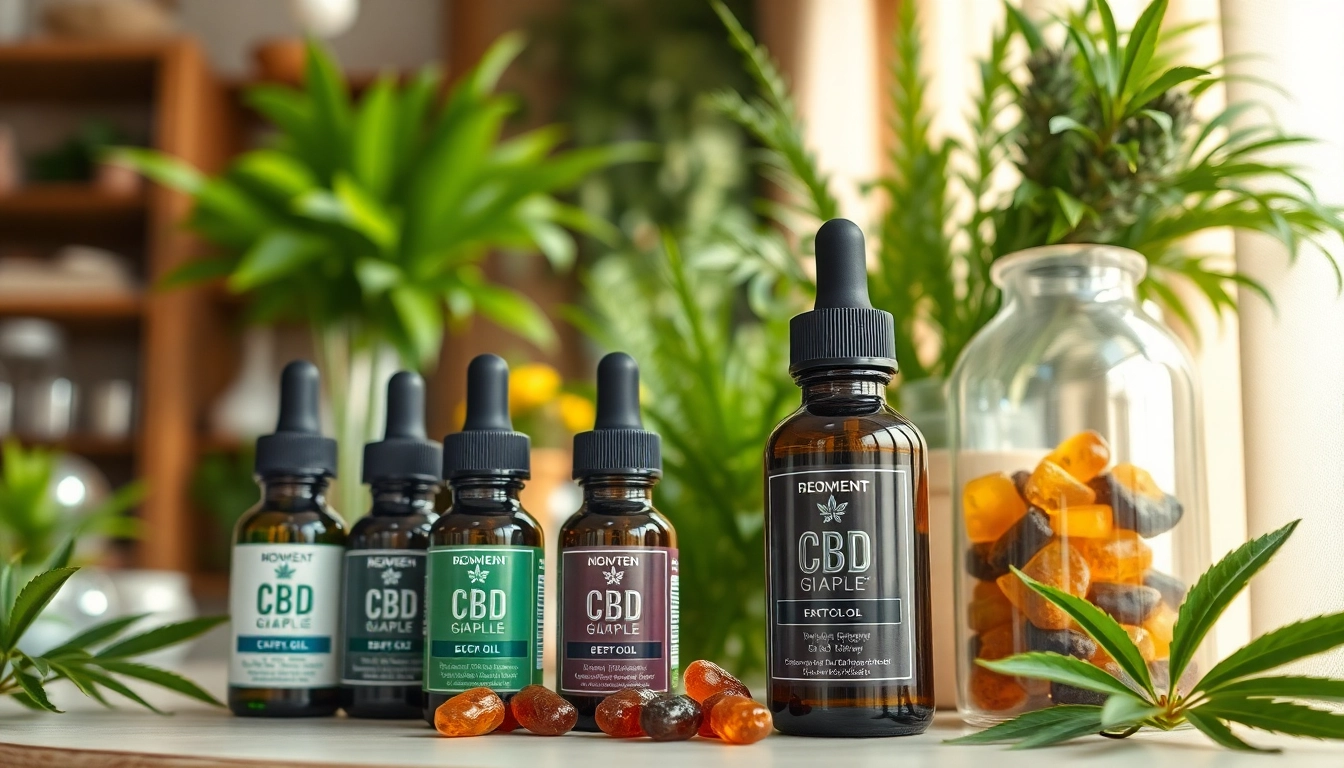
Introduction to CBD and Its Properties
CBD, or cannabidiol, is a compound derived from the hemp plant, a member of the cannabis family. Unlike its more famous cousin THC, CBD does not produce psychoactive effects, meaning it does not cause the “high” associated with cannabis. Due to its non-impairing nature, CBD has garnered significant attention as a potential therapeutic option for a variety of health concerns. This article offers a comprehensive exploration of CBD, from its scientific properties and legal status to its health benefits, various product forms, side effects, and ways to incorporate it into daily routines. More information can be accessed on CBD products and their uses.
What is CBD?
Cannabidiol (CBD) is one of over 100 cannabinoids found in cannabis plants, particularly in hemp. CBD interacts with the body’s endocannabinoid system (ECS), a complex network of receptors and neurotransmitters that plays a vital role in maintaining homeostasis. This system regulates various bodily processes such as mood, sleep, appetite, and immune response. CBD is believed to enhance the ECS’s functionality, potentially bringing relief to various conditions without the side effects associated with traditional medications.
The Science Behind CBD
The primary mechanism through which CBD operates involves its interaction with the ECS. Although CBD does not bind directly to cannabinoid receptors like THC, it influences these receptors indirectly. Research indicates that CBD increases the body’s own levels of endocannabinoids, leading to various therapeutic effects. Additionally, it appears to have anti-inflammatory, antioxidant, and neuroprotective properties, making it a promising candidate for treating numerous conditions.
Legal Status and Regulations of CBD
The legal landscape surrounding CBD is complex and varies significantly by region. In the United States, the 2018 Farm Bill legalized the cultivation and sale of hemp-derived CBD products, provided they contain less than 0.3% THC. However, regulatory practices differ across states, affecting the availability and sale of CBD products. Globally, many countries have accepted CBD for medicinal use, but stringent regulations on its production, sale, and marketing exist. Consumers should always verify local laws and regulations regarding CBD to ensure compliance.
Health Benefits Associated with CBD
The therapeutic potential of CBD continues to be an area of active research. Numerous studies and anecdotal evidence support its use for various health concerns, including anxiety, pain management, and sleep disorders.
CBD for Anxiety Management
One of the most widely reported benefits of CBD is its ability to reduce anxiety. Several studies indicate that CBD can help alleviate symptoms of various anxiety disorders, including generalized anxiety disorder, social anxiety disorder, and post-traumatic stress disorder (PTSD). It appears to interact with serotonin receptors in the brain, which play a role in mood regulation. By enhancing the brain’s response to serotonin, CBD may help provide a calming effect, reducing feelings of anxiety and promoting a sense of well-being.
Pain Relief and Inflammation Reduction
CBD is also recognized for its anti-inflammatory and analgesic properties. Research has indicated that CBD can significantly decrease chronic pain, making it a popular alternative to traditional pain relief methods, including opiates. By inhibiting the inflammatory response of the body and interacting with pain pathways, CBD may be effective in managing conditions such as arthritis, fibromyalgia, and even migraines. Additionally, the lack of severe side effects associated with CBD makes it a safer option for long-term management.
Potential Benefits for Sleep Disorders
Sleep disorders affect millions and can significantly impact quality of life. Preliminary research suggests that CBD may help improve sleep quality and reduce the frequency of disturbances. By addressing underlying issues like anxiety and pain that often interfere with sleep, CBD may offer a holistic approach to achieving better rest. Direct studies, while still limited, indicate that many users report improved sleep patterns after using CBD.
Different Forms of CBD Products
The market is flooded with various CBD products, each designed to meet different consumer needs and preferences. Understanding the different forms of CBD can help consumers make informed choices about which product might be best for them.
Oils and Tinctures
CBD oils and tinctures are among the most popular methods of consumption. These products are typically consumed sublingually (under the tongue) for rapid absorption. CBD oils usually come in small bottles with dropper tops, allowing for precise dosing. The liquid form allows users to adjust their dosage easily, making it an ideal choice for those new to CBD. Furthermore, oils can be mixed with food or beverages for more diverse consumption options.
Edibles: Gummies and Infused Foods
Edibles offer a tasty and convenient way to consume CBD. Gummies are especially popular, appealing to those who prefer a sweet treat. Edibles come with specific dosage amounts, ensuring consumers know how much CBD they are ingesting. However, the effects of edibles can take longer to kick in compared to oils or vaporizers because they must pass through the digestive system. This delayed effect can be beneficial for those seeking longer-lasting relief, such as from chronic pain or anxiety.
Topical Applications for Skin Health
Topical CBD products, including creams, balms, and lotions, are designed for application directly onto the skin. These products are ideal for localized relief from pain or inflammation and can also support skin health. Factors such as acne, eczema, and psoriasis may benefit from the anti-inflammatory properties of CBD, providing relief without the psychoactive effects of other cannabis preparations. Topicals are particularly appealing to consumers looking for a non-invasive way to use CBD.
Possible Side Effects of CBD
While CBD is generally well-tolerated, potential side effects exist. Understanding these risks is essential for anyone considering CBD as a treatment option.
Common Side Effects and Risks
Some users may experience mild side effects, including dry mouth, fatigue, diarrhea, and changes in appetite. These effects are usually mild and temporary, but individuals with pre-existing health conditions or those taking other medications should consult a healthcare professional before starting CBD. In rare cases, CBD can interact with certain medications, potentially altering their effectiveness. Therefore, monitoring one’s response to CBD use is crucial.
Who Should Avoid CBD?
While many individuals can benefit from using CBD, certain groups should exercise caution. Pregnant or breastfeeding individuals are often advised against using CBD due to insufficient research on its safety for developing fetuses or infants. People with liver issues or those on medications that interact with CBD should also avoid it unless advised otherwise by a healthcare provider.
Consultation and Professional Guidance
Before incorporating CBD into a personal health regimen, consulting with a healthcare provider can provide valuable insights into potential risks and benefits. A medical professional can help determine appropriate dosages and monitor any interactions with existing medications or conditions. This proactive approach can enhance the efficacy of CBD while minimizing adverse effects.
Incorporating CBD Into Your Routine
Integrating CBD into daily life requires consideration of dosage, product quality, and individual health goals. Here are some steps to ensure a positive experience.
Finding the Right Dosage
Dosage can vary widely between individuals, influenced by factors such as body weight, metabolism, and the specific condition being addressed. For many users, starting with a low dose and gradually increasing it until the desired effect is achieved is recommended. This approach helps in finding the optimal dosage without experiencing unwanted side effects. Many CBD manufacturers provide dosage recommendations, but personal adjustments may be necessary.
Choosing Quality CBD Products
Not all CBD products are created equal. Consumers should prioritize products that are third-party tested for quality and consistency. Lab results should be accessible, providing transparency regarding the CBD content and any potential contaminants. Ideally, products should be derived from organically grown hemp and free from harmful pesticides or chemicals. Understanding the extraction methods used can also impact product efficacy and safety.
Tracking Your Response to CBD
Keeping a journal to track how your body responds to CBD can provide valuable insights. Noting the onset time, effects, and any side effects can help fine-tune dosages and product types. This practice enables users to identify which methods work best for them, facilitating an optimal CBD experience tailored to individual health needs.