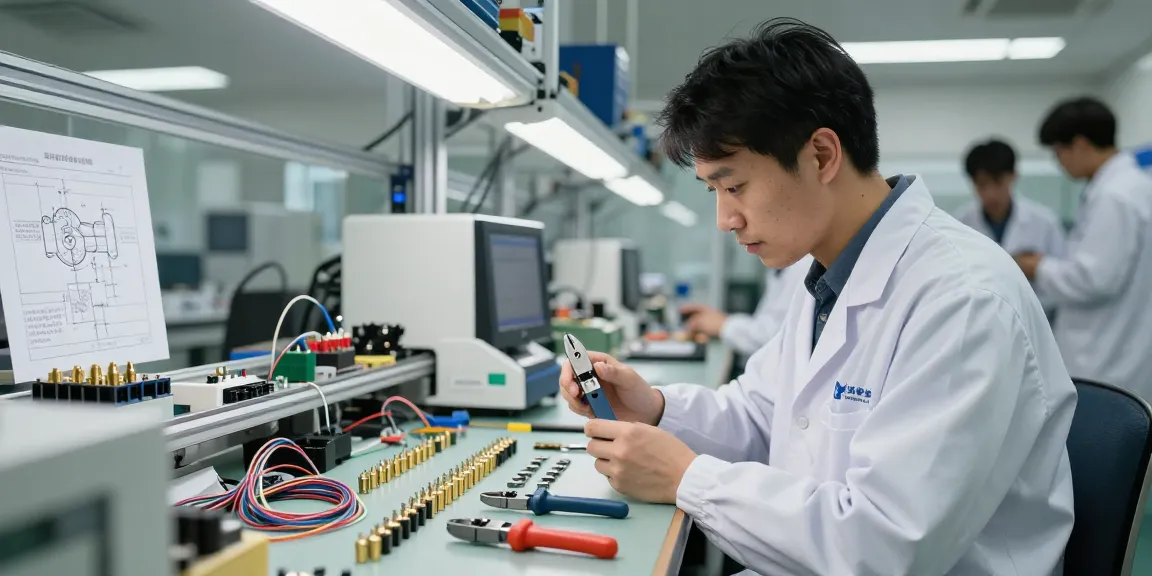
Understanding Crimp Connectors
Crimp connectors serve as an essential element within various electronic applications, providing reliable connections for a diverse range of components. Defined simply, crimp connectors are devices that allow two wires to be joined together through a mechanical deformation process known as crimping. This process bends a metal terminal around the wire, ensuring a secure and enduring connection. As technology evolves, the demand for crimp connectors continues to rise, necessitating an understanding of their types, applications, and the importance of reliability in their design.
What Are Crimp Connectors?
At their core, crimp connectors are electrical connectors that secure a connection between wires without the need for soldering. They are designed to establish a strong electrical connection by physically crimping a metal terminal around the wire insulation and conductor. This method is preferred in many applications due to its speed, simplicity, and effectiveness in creating durable connections that can withstand mechanical stress and environmental factors.
Types of Crimp Connectors
Crimp connectors come in various styles and sizes, each tailored for specific applications. Here are some common types:
- Butt Connectors: These connectors are cylindrical and are used to join two ends of wire together, making them ideal for splicing.
- Ring Terminals: Featuring a circular ring that allows a screw or bolt to secure the connection, these are perfect for applications requiring a stable attachment.
- Fork Terminals: Similar to ring terminals but with a Y-shaped fork, they enable easy connection and disconnection without removing the entire terminal.
- Spade Terminals: These connectors offer a flat blade, suitable for quick connections, often used in electrical panels.
- Disconnect Terminals: Designed to allow easy disconnection, these devices come in various shapes and sizes and are widely used in automotive applications.
Applications and Uses of Crimp Connectors
Crimp connectors are utilized across numerous industries, including automotive, industrial, and consumer electronics. Their versatility stems from several factors:
- Automotive: They are extensively used for wiring harnesses, ensuring secure connections in vehicles susceptible to vibration and moisture.
- Home Appliances: Crimp connectors facilitate the connection of electrical components in household devices, enhancing both safety and reliability.
- Computers and Electronics: In the realm of PC assembly, crimp connectors are crucial for establishing stable electrical connections between components.
- Telecommunications: Effective communication systems depend on high-quality crimp connectors for reliable data transmission over cables.
The Importance of Reliability in Crimp Connectors
Achieving reliability in crimp connectors is paramount, as failures can lead to malfunctions, safety hazards, and increased costs. Several factors influence the reliability of these connectors:
Factors Affecting Connector Reliability
Connector reliability hinges on various aspects:
- Material Quality: The choice of materials influences conductivity and resistance to corrosion.
- Crimping Technique: Proper crimping techniques are essential; improper crimping can lead to loose connections and failures.
- Environmental Conditions: Connectors must be able to withstand harsh conditions, such as extreme temperatures, moisture, and exposure to chemicals.
Testing and Quality Assurance Methods
To ensure the highest standards of quality, manufacturers employ rigorous testing methods. These may include:
- Pull Testing: Evaluating the strength of the connection by applying force to determine failure points.
- Electrical Testing: Measuring resistance and continuity to guarantee adequate conductivity.
- Environmental Tests: Assessing performance under simulated environmental conditions, ensuring durability.
Case Studies: Reliability in Action
Several industries have demonstrated the importance of reliability in crimp connectors through real-world applications. For instance, in automotive manufacturing, the use of high-quality crimp connectors has significantly reduced failure rates in wiring harnesses, leading to enhanced safety and decreased warranty claims. Similarly, in the telecommunications sector, robust crimp connectors have ensured uninterrupted data transmission, vital for service providers. These examples underscore the critical role of reliability in effective connector design.
Choosing the Right Crimp Connectors for Your Projects
Selecting the appropriate crimp connectors is crucial for project success. Here are key specifications to consider:
Key Specifications to Consider
- Wire Gauge Compatibility: Ensure that the crimp connector matches the wire gauge for a secure fit.
- Current Rating: Choose connectors rated for the expected current to avoid overheating and failures.
- Insulation Material: Select connectors with suitable insulation to resist environmental challenges.
Matching Connectors to Application Needs
When selecting crimp connectors, consider the specific needs of the application:
- Temperature Resistance: For high-temperature environments, opt for connectors with enhanced thermal resistance.
- Moisture Protection: Waterproof or weatherproof connectors are essential for outdoor and automotive applications.
Common Mistakes to Avoid When Selecting Connectors
Avoiding common pitfalls can streamline the selection process. Some frequent mistakes include:
- Choosing connectors without considering wire gauge compatibility, which can lead to loose connections.
- Neglecting environmental factors that may affect connector performance.
- Overlooking the importance of proper crimping tools, which can significantly impact connection quality.
Innovations in Crimp Connector Technology
The connector industry is experiencing rapid innovations that enhance performance and reliability. Below are some noteworthy trends:
The Role of Automation in Manufacturing
Automation is reshaping the manufacturing process for crimp connectors, leading to increased efficiency and consistency. Advanced machinery can perform precise crimping with minimal defects, ensuring a higher standard of quality control.
Emerging Materials and Their Benefits
New materials are being introduced to improve performance characteristics, such as:
- Low Resistance Alloys: These materials enhance conductivity, reducing energy loss in electrical applications.
- Corrosion-Resistant Coatings: Offering better longevity, these coatings protect connectors from environmental degradation.
Future Trends: What to Expect by 2026
As we look towards 2026, we can expect several emerging trends in crimp connectors:
- Increased Use of Smart Connectors: Incorporating sensors that monitor connection integrity and performance.
- Customization Options: Greater availability of tailored solutions to meet specific application demands.
- Sustainability Initiatives: A focus on environmentally friendly materials and processes in connector production.
Installation Best Practices for Crimp Connectors
Ensuring the longevity and performance of crimp connectors relies heavily on proper installation practices. Here are essential tips:
Tools and Equipment Needed for Crimping
A comprehensive toolkit includes:
- Crimping Tool: Specific tools designed for the type of connector being used ensure proper crimping.
- Wire Strippers: These help prepare wires by removing insulation without damaging the conductor.
- Multimeter: Useful for testing electrical connectivity after installation.
Step-by-Step Installation Process
Follow these steps for successful installation:
- Prepare the wire by stripping insulation to the appropriate length.
- Insert the wire into the crimp connector, ensuring it reaches the end of the terminal.
- Use the crimping tool to apply even pressure, sealing the wire into the connector.
- Test the connection with a multimeter to confirm electrical continuity.
Maintenance Tips for Longevity and Performance
To maintain the performance of crimp connectors:. Additionally, wire terminals provides further details.
- Regularly inspect connections for corrosion or wear.
- Ensure that connectors remain clean and free of debris.
- Replace any damaged connectors immediately to prevent electrical failures.