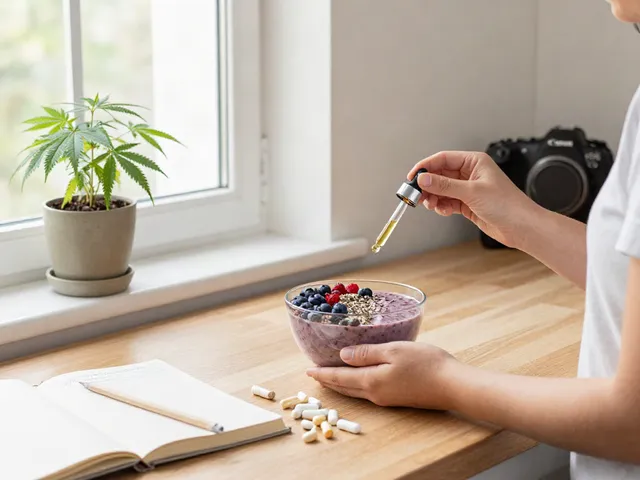
Understanding the Wellness Benefits of CBD
The wellness industry has witnessed a significant transformation over recent years, with many individuals seeking natural remedies for health issues. One such remedy gaining popularity is CBD, a non-psychoactive compound derived from hemp. Its potential health benefits have been the subject of much research and discussion. People are increasingly turning to Buy weed in Wolverhampton and exploring CBD's role in wellness. This article delves into the therapeutic applications of CBD, the various product types available, and the considerations one must keep in mind when incorporating CBD into a wellness regimen.
What Health Benefits Does CBD Provide?
Research into CBD has highlighted its potential role in managing various health conditions. While more studies are needed, early results suggest that CBD may help with:
- Anxiety and Stress: Many users report fewer feelings of anxiety when using CBD, potentially due to its interaction with the body's endocannabinoid system (ECS).
- Pain and Inflammation: Studies indicate that CBD may have anti-inflammatory properties, offering relief for conditions like arthritis and chronic pain.
- Sleep Disorders: CBD has been associated with improved sleep quality for some individuals, facilitating deeper and more restful sleep.
- Focus and Clarity: Some users have noted increased focus and mental clarity, making CBD a popular choice among professionals seeking to enhance productivity.
How CBD Can Aid in Stress Relief and Anxiety
The interaction of CBD with the ECS is crucial for its effects on stress and anxiety. By influencing serotonin receptors, CBD may help regulate mood and social behavior. Research published in journals such as the Journal of Psychopharmacology points to its efficacy in reducing anxiety in both human and animal studies.
Cannabinoids and Their Therapeutic Applications
Aside from CBD, other cannabinoids like CBG (cannabigerol) and CBN (cannabinol) also exhibit potential therapeutic properties. Their unique effects and interactions with the ECS can complement the benefits of CBD, often leading to what is known as the "entourage effect," where the combined effects of cannabinoids and terpenes enhance their individual benefits.
Types of CBD Products Available
Exploring CBD Oils, Tinctures, and Vapes
CBD products come in various forms, including oils, tinctures, and vaping options. CBD oils, usually made with carrier oils like MCT oil, offer a convenient way to consume cannabinoids. Tinctures often have a higher concentration of CBD and provide quicker absorption when taken sublingually. Vaping allows for rapid delivery of CBD into the bloodstream, enhancing bioavailability.
The Rise of CBD Edibles in the Wellness Scene
Edibles, such as gummies and chocolates, are becoming increasingly popular for those who prefer an enjoyable way to consume CBD. They provide a discreet option, although the onset of effects may be slower compared to oils or vapes, as they must first be metabolized.
Topical CBD Applications for Localized Relief
Topical applications, including creams, balms, and patches, allow for targeted relief. These products can be particularly effective for localized pain, as they interact directly with cannabinoid receptors in the skin, enabling benefits without entering the bloodstream.
Dosage Guidelines for Optimal Effects
How to Determine Your Ideal CBD Dosage
Finding the right dosage of CBD is critical to maximizing its benefits. Factors such as body weight, individual tolerance, and the health condition being treated all play a role. A common recommendation is to start with a low dose and gradually increase it until the desired effects are achieved.
Titrating Your CBD Use for Maximum Benefit
Titration involves adjusting the dosage periodically while monitoring responses. This process helps individuals find their optimal CBD intake tailored to their specific needs.
Factors Affecting CBD Bioavailability
Bioavailability refers to the degree and rate at which substances are absorbed into the bloodstream. Factors affecting CBD bioavailability include the method of ingestion, whether the product is taken with food, and individual metabolic rates.
Quality Standards and Testing Insights
Understanding Certificates of Analysis (COA)
Certificates of Analysis are critical documents that verify the contents of CBD products. These reports provide insights into cannabinoid concentrations and the presence of contaminants, ensuring that the product is safe for consumption.
Importance of Third-Party Lab Testing
Third-party testing is a reliable way to ensure product safety and potency. Reputable brands will often provide lab results on their websites, allowing consumers to verify the quality of their products.
Identifying High-Quality CBD Products
To identify high-quality CBD products, look for GMP (Good Manufacturing Practices) certifications, clear labeling, and verification of ingredients. If a product does not provide sufficient transparency, it may be a red flag for potential quality issues.
Navigating Legal Aspects and Compliance
Status of Cannabis Legislation in the UK
The legal landscape surrounding cannabis and CBD in the UK is evolving. Currently, CBD products must contain less than 0.2% THC to be legally sold, differentiating them from illegal cannabis products. Awareness of local laws remains crucial for consumers.
Safety Considerations When Purchasing CBD
When purchasing CBD, it's essential to consider potential interactions with medications, particularly blood thinners and seizure medications. It is recommended to consult with a healthcare provider before starting any new supplement regimen, especially for pregnant or breastfeeding women.
Best Practices for Storage and Shelf Life
To maintain the potency of CBD products, they should be stored in a cool, dark place, away from direct sunlight. CBD oils typically have a shelf life of about 1-2 years if stored properly.
Frequently Asked Questions
Is it legal to buy weed in the UK?
Purchasing cannabis for recreational use remains illegal in the UK, but CBD products with appropriate THC limits are legal. Always stay informed about current regulations as they continue to develop.
What are the side effects of using CBD?
Common side effects may include drowsiness, dry mouth, and digestive issues. Individual responses vary significantly based on system interactions, dosages, and the specific product type used.
How to read lab reports for CBD products?
Lab reports typically include cannabinoid concentrations, potential contaminants, and detailed testing methods. Understanding these reports is essential for evaluating product safety and potency.
What is the difference between CBD and THC?
While both CBD and THC are cannabinoids derived from cannabis, THC is psychoactive, resulting in a "high," whereas CBD is non-psychoactive and does not produce such effects.
How to ensure CBD products are organic and lab-tested?
To ensure products are organic, look for certifications from recognized agencies. Additionally, always verify that products come with third-party lab testing reports to confirm purity and potency.