

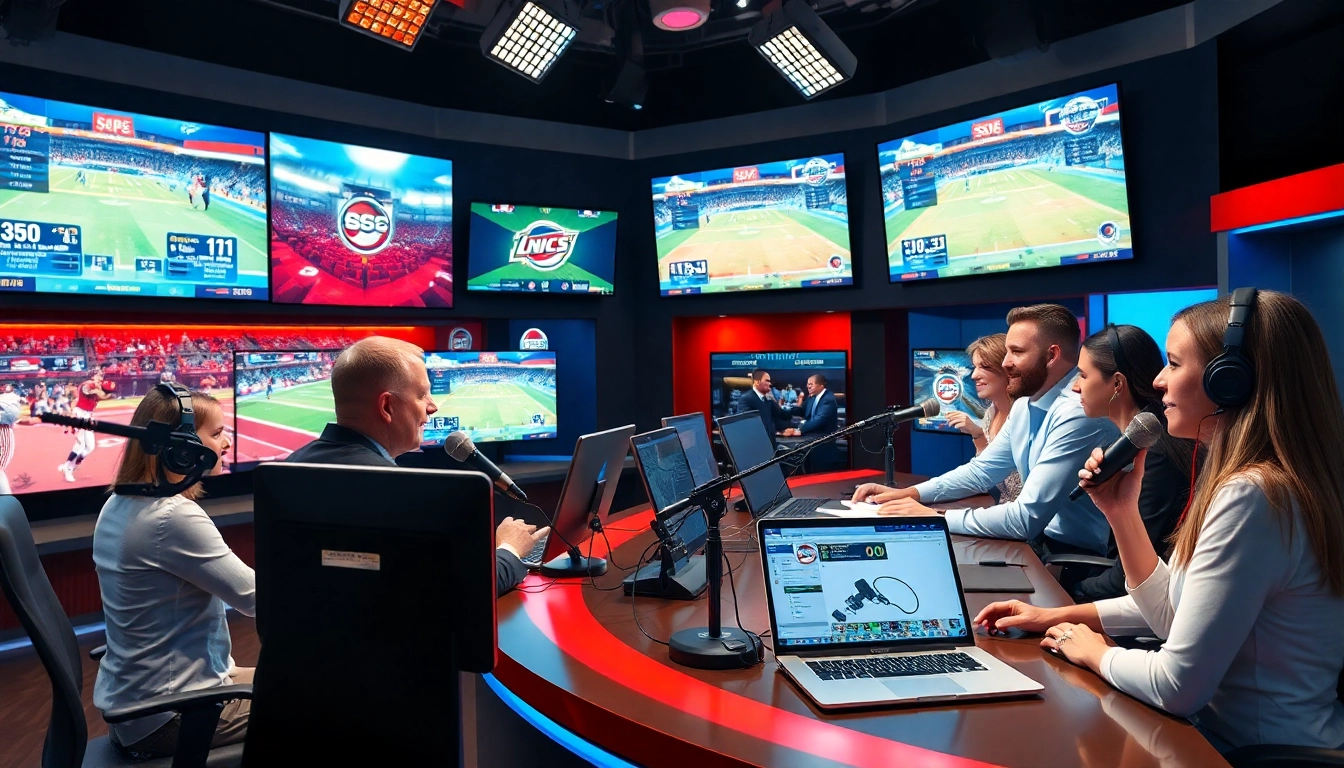
Understanding Sports Broadcasting
Sports broadcasting forms an essential part of the media industry, delivering the excitement of various sporting events to audiences worldwide. It encompasses the transmission of live or recorded sports events through television, radio, and online platforms, providing fans with access to their favorite games, athlete performance, and behind-the-scenes analysis. The world of Sports Broadcasting continues to evolve with technological advancements, shifting audience preferences, and increased competition in the digital landscape.
The Role of Sports Broadcasting in Modern Media
Sports broadcasting serves multiple roles in modern media. Primarily, it acts as the bridge connecting sports events to fans, offering real-time experiences that resonate with viewers. This connection is not only about live coverage but also includes pre-and post-game analysis, interviews with players and coaches, and detailed statistics. By doing so, sports broadcasters engage their audiences, enhance their understanding of the sport, and foster a sense of community among fans.
Moreover, sports broadcasting significantly contributes to the financial viability of sports through advertising and sponsorships, providing essential revenue streams for leagues and teams. The integration of digital media and social platforms further amplifies this effect, making sports content accessible anytime and anywhere, thus enhancing fan experience and loyalty.
Evolution of Sports Broadcasting
The history of sports broadcasting dates back to the early 20th century when radio broadcasts began to carry play-by-play commentary for sports events. The advent of television in the 1950s revolutionized this field, enabling viewers to watch sports events in their homes for the first time. As technology progressed, so did the methods of broadcasting. The shift from analog to digital transmission brought about enhanced picture quality and the introduction of multiple camera angles, allowing a more immersive viewing experience.
In recent years, the rise of the internet has further transformed sports broadcasting. Streaming services now enable fans to watch live sports on laptops, tablets, and smartphones, disrupting traditional broadcasting methods. This evolution continues to shape not only how sports are consumed but also how content is created and distributed.
Key Terminology in Sports Broadcasting
Understanding key terminology is crucial for anyone involved in or interested in sports broadcasting. Here are some essential terms:
- Play-by-Play: The real-time commentary delivered by announcers during a live sporting event.
- Color Commentary: Analysis and insights provided by a commentator, usually a former athlete or coach, during the broadcast.
- Sideline Reporting: Covering events and interviews from the sidelines during games, providing immediate insights and updates.
- Analog vs. Digital broadcasting: Refers to the various methods of transmitting audio and video signals.
- Streaming: Delivering content over the internet in real-time, allowing audiences to watch sports on-demand.
Core Components of Sports Broadcasting
Broadcast Formats: Live vs. Pre-Recorded
There are two primary formats in sports broadcasting: live and pre-recorded. Live broadcasting is characterized by real-time coverage, enabling viewers to experience events as they unfold. This format is typically more engaging as it captures the spontaneous nature of sports.
On the other hand, pre-recorded broadcasts serve different purposes, such as highlight reels and documentaries. This format allows for careful editing, enhanced storytelling, and the incorporation of expert analysis, providing viewers with deeper insights into sports narratives.
Choosing the right format depends on the target audience and the nature of the event, with live broadcasts being crucial for major sporting events, while pre-recorded content can be effective for building interest and engagement around lesser-known competitions.
Technical Equipment Needed for Optimal Broadcasting
Successful sports broadcasting relies heavily on technical equipment to ensure a smooth and high-quality viewing experience. Essential equipment includes:
- Cameras: High-definition cameras capable of capturing live action from multiple angles.
- Microphones: Directional and lavalier microphones to capture clear audio from announcers and athletes.
- Switchers: Devices that allow the operator to transition between different video feeds seamlessly.
- Graphics systems: Software and hardware used for creating on-screen graphics, statistics, and replays.
- Broadcast trucks: Mobile units equipped with all necessary broadcast technologies for live events.
Investing in top-notch equipment is essential for maintaining production quality and satisfying audience expectations. Proper training and coordination among technical crews also play vital roles in achieving a flawless broadcast.
Essential Broadcasting Skills for Success
Successful sports broadcasters possess a diverse range of skills that enable them to engage audiences and deliver compelling content. Key skills include:
- Communication: Clear and concise communication is vital for delivering play-by-play and analysis effectively.
- Storytelling: The ability to weave narratives that resonate with audiences and highlight key aspects of the games.
- Adaptability: Quick thinking and adaptability to handle unexpected situations during live broadcasts.
- Technical proficiency: Understanding of broadcasting technology and equipment to ensure smooth operations.
- Audience engagement: Skills for interacting with fans through various platforms, including social media.
Building these skills through practice and experience is crucial for anyone aspiring to make a mark in the competitive field of sports broadcasting.
Challenges in Sports Broadcasting
Managing Live Events and Unexpected Outcomes
Live sports broadcasting presents unique challenges, particularly when managing events in real-time. Broadcasters must be prepared for unforeseen events such as injuries, weather disruptions, or technical failures. These situations can impact the quality and flow of the broadcast.
To effectively manage unexpected outcomes, broadcasters rely on thorough preparation and contingency plans. Regular rehearsals, emergency protocols, and a well-trained staff are crucial components in ensuring that the broadcast remains engaging and informative despite any disruptions.
Adapting to Digital Trends and Audience Demands
As technology evolves, so do audience expectations. Today’s viewers demand instant access to sports content on multiple platforms, including social media, mobile apps, and streaming services. Broadcasters must remain agile and adaptable, continuously updating their strategies to meet these changing demands.
This adaptability often means investing in digital tools and analytics to understand viewer behavior better. By employing data-driven strategies, broadcasters can enhance viewer engagement and improve content delivery, ultimately leading to increased viewership and loyalty.
Regulatory Challenges in Sports Content
Navigating the regulatory landscape is another critical challenge for sports broadcasters. Issues such as licensing, rights management, and compliance with broadcast regulations must be carefully managed. Failure to address these legal considerations can result in substantial penalties and loss of credibility.
By staying informed about relevant laws and regulations, broadcasters can create compliant content that respects intellectual property rights and ensures the integrity of the broadcast. Engaging legal experts is also advisable to navigate this complex landscape effectively.
Best Practices in Sports Broadcasting
Engaging Your Audience Through Storytelling
Effective storytelling is at the heart of captivating sports broadcasting. By weaving compelling narratives around games, players, and teams, broadcasters can forge emotional connections with their audiences. To do this, they must focus on character development, dramatic plots, and strategic pacing.
Incorporating elements such as player backstories, historical rivalries, and community impact enhances storytelling. Engaging visuals, expert commentary, and audience interaction also enrich the narrative, creating a more immersive experience that keeps viewers coming back for more.
Utilizing Social Media for Enhanced Interaction
Social media platforms have transformed how broadcasters interact with their audiences. Leveraging platforms like Twitter, Instagram, and Facebook allows broadcasters to engage viewers in real-time, share highlights, and promote upcoming events. Using social media effectively can turn passive viewers into active participants, fostering a sense of community.
Broadcasters should encourage audience interaction through polls, Q&A sessions, and user-generated content. This approach enhances viewer loyalty and allows broadcasters to understand their audience preferences better, tailoring content for maximum engagement.
Metrics for Measuring Broadcasting Success
To assess the effectiveness of sports broadcasts, measuring success through various metrics is crucial. Key performance indicators (KPIs) include:
- Viewership Ratings: Tracking audience numbers during live events helps gauge popularity.
- Engagement Levels: Analyzing social media interactions can provide insights into viewer sentiment and involvement.
- Advertising Revenue: Monitoring ad sales can reflect the financial success of broadcasts.
- Viewer Retention: Evaluating how many viewers stay throughout the broadcast offers insights into content effectiveness.
- Feedback Surveys: Conducting surveys post-broadcast can reveal audience preferences and areas for improvement.
By regularly monitoring these metrics, broadcasters can make informed decisions to enhance future broadcasts and increase overall viewer satisfaction.
Future Trends in Sports Broadcasting
The Impact of Streaming Services on Traditional Broadcasting
Streaming services have ushered in a new era for sports broadcasting, offering viewers greater flexibility and on-demand access. This shift has forced traditional broadcasters to adapt their strategies, sometimes leading to partnerships with streaming platforms to reach broader audiences.
As competition intensifies, broadcasting companies may need to diversify their content offerings and innovate their delivery methods to maintain viewer interest in a crowded landscape. Live streaming of niche sports, interactive viewing options, and exclusive content are potential strategies to capitalize on this changing environment.
Emerging Technologies in Sports Broadcasting
Emerging technologies such as virtual reality (VR), augmented reality (AR), and artificial intelligence (AI) are set to transform sports broadcasting fundamentally. VR and AR provide immersive experiences that can elevate viewer engagement, while AI can enhance analytics to deliver personalized content recommendations.
Adopting these technologies could enable broadcasters to create new revenue streams and offer fans unique experiences that were previously unimaginable. Staying ahead of the technology curve will be crucial for broadcasters aiming to thrive in the future.
Changing Audience Preferences and Their Implications
As the demographics of sports audiences evolve, their preferences change as well. Younger audiences often seek quick, digestible content over traditional long-form broadcasts, preferring highlights and social media snippets. Understanding these shifts is vital for broadcasters striving to engage with the next generation of fans.
Adjusting content delivery methods, experimenting with innovative formats, and being responsive to audience feedback will prove essential for success in this dynamic environment. Broadcasters who can align their strategies with audience preferences will likely remain relevant in an ever-changing market.
Frequently Asked Questions about Sports Broadcasting
What is the main role of sports broadcasting?
The primary role of sports broadcasting is to connect fans with live sports events, providing real-time coverage, analysis, and expert commentary to enhance viewer experience.
What are the main formats used in sports broadcasting?
Sports broadcasting mainly utilizes live formats for real-time coverage and pre-recorded formats for highlights, analyses, and documentaries, each serving different audience engagements.
How has technology changed sports broadcasting?
Technology has transformed sports broadcasting through developments like high-definition video, streaming services, and interactive content, making sports more accessible and engaging for viewers.
What skills are essential for a sports broadcaster?
Essential skills include effective communication, storytelling abilities, adaptability in live settings, technical proficiency, and a strong capacity for engaging with the audience.
What trends are shaping the future of sports broadcasting?
Key trends include the growth of streaming services, the integration of emerging technologies like VR and AI, and adapting to shifting audience preferences and behaviors.