
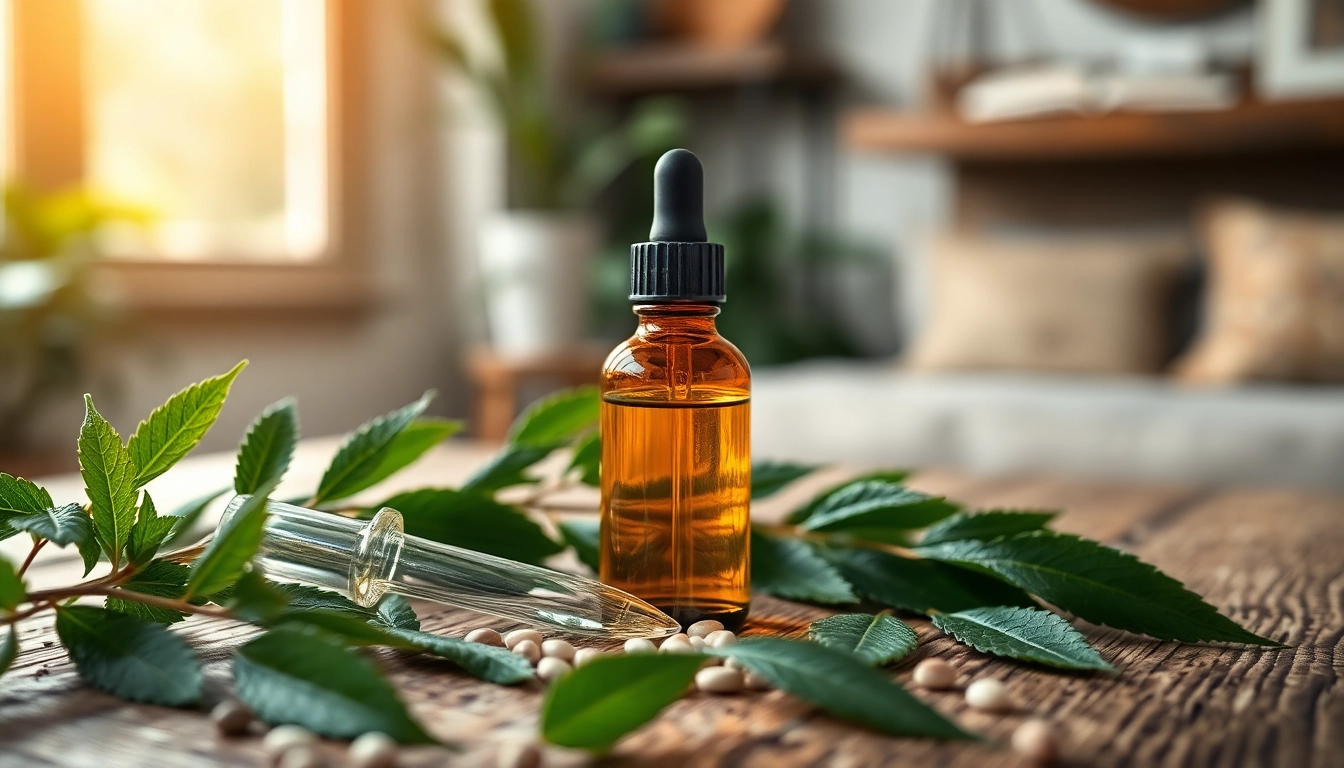
What is CBD Oil?
Introduction to Cannabidiol
Cannabidiol, widely known as CBD, is one of over a hundred different compounds found in the cannabis plant. Unlike its more famous counterpart, tetrahydrocannabinol (THC), CBD does not produce any psychoactive effects, meaning it does not cause the user to feel “high.” It has gained immense popularity in recent years as more people explore its potential therapeutic benefits. Many users seek CBD Oil for its reported ability to alleviate symptoms of various health conditions, including anxiety, chronic pain, and inflammation.
How CBD Oil is Extracted
The extraction of CBD Oil from the cannabis plant involves several processes designed to isolate CBD while maximizing purity and potency. The most common extraction methods include:
- CO2 Extraction: This industry-standard method uses carbon dioxide under high pressure and low temperature to extract CBD, ensuring a pure product with no residual solvents.
- Solvent Extraction: While effective, this method uses solvents like ethanol or butane to strip cannabinoids from the plant material, which can leave toxic residues if not properly extracted.
- Olive Oil Extraction: This method involves heating the hemp plant with olive oil, producing a safe, edible, and effective extraction. Though less potent than other methods, it is one of the simplest.
Each of these methods has its advantages and disadvantages, influencing the quality, flavor, and strength of the final product.
The Legal Status of CBD Oil
In recent years, the legality of CBD Oil has been a topic of discussion across many states and countries. In the United States, CBD derived from hemp—defined as cannabis containing less than 0.3% THC—is legal under federal law. However, specific state regulations may vary, making it essential for consumers to stay informed about local laws regarding the purchase and use of CBD products.
Health Benefits of CBD Oil
Potential Pain Relief with CBD Oil
One of the most recognized benefits of CBD Oil is its potential to alleviate pain. Researchers believe that CBD interacts with the endocannabinoid system—responsible for regulating various bodily functions—including pain perception. Clinical studies suggest that CBD may help reduce both chronic and acute pain through its anti-inflammatory properties.
Reducing Anxiety and Stress Using CBD Oil
Anxiety disorders are among the most common mental health conditions globally, affecting millions. Several studies have highlighted the efficacy of CBD Oil in reducing anxiety levels. It appears to influence serotonin receptors in the brain, which play a crucial role in mood regulation. A recent clinical trial indicated that participants experiencing social anxiety showed significant improvement after using CBD Oil prior to a public speaking event.
Improving Sleep Quality with CBD Oil
CBD Oil has also shown promise in enhancing sleep quality. Insomnia and other sleep disorders can significantly impact overall health and well-being. Researchers suggest that CBD may help individuals fall asleep faster and stay asleep longer by addressing issues like anxiety and discomfort. By soothing the mind and body, CBD could play a role in establishing healthier sleep patterns.
How to Use CBD Oil Effectively
Methods of Consumption
There are several ways to consume CBD Oil, each with its own onset time and duration of effects:
- Sublingual Drops: Placing drops of CBD Oil under the tongue allows for quick absorption into the bloodstream, providing fast relief.
- Capsules and Edibles: CBD-infused capsules or gummies offer a convenient method of consumption, though they may take longer to have an effect.
- Topicals: Creams and balms infused with CBD provide localized relief for muscle or joint pain when applied directly to the skin.
Dosage Recommendations
Determining the optimal CBD Oil dosage can vary greatly from person to person based on factors like weight, metabolism, and health conditions. It’s recommended that beginners start with a low dose—typically around 5–10 mg of CBD—and gradually increase until the desired effects are achieved. Consulting a healthcare professional can also provide personalized dosage guidance.
Combining CBD Oil with Other Supplements
Many individuals find that combining CBD Oil with other supplements can enhance overall wellness. For example, CBD may be taken alongside omega-3 fatty acids to promote heart health or magnesium to help further reduce anxiety and improve sleep quality. However, it is crucial to understand potential interactions and consult with a healthcare provider before combining supplements.
Potential Side Effects and Considerations
Common Side Effects of CBD Oil
While CBD is generally well-tolerated, some individuals may experience side effects. Common side effects may include:
- Fatigue
- Changes in appetite
- Drowsiness
- Nausea
These effects are usually mild and temporary but should be monitored, especially when starting a new regimen.
Interactions with Other Medications
CBD Oil can interact with certain medications, potentially altering their effects. It’s particularly important for individuals taking medications metabolized by the liver (such as blood thinners) to consult a healthcare provider before starting CBD. This way, potential interactions can be evaluated, ensuring safe use alongside other treatments.
When to Consult a Healthcare Professional
Before beginning a CBD Oil regimen, it’s advisable to consult with a healthcare professional, especially if you have underlying health conditions or are taking other medications. A professional can help ascertain the appropriateness of CBD for your specific health needs.
Choosing the Right CBD Oil
Understanding Labels and Certifications
When selecting a CBD Oil product, it’s essential to understand the labeling. Look for products that include the following:
- Full spectrum, broad spectrum, or isolate information
- Third-party lab testing results to confirm purity and potency
- Clear dosage information and directions for use
A knowledgeable approach to reading labels helps ensure you choose a high-quality product.
Identifying Quality CBD Oil Products
Not all CBD Oil products are created equal. Quality can vary based on factors such as sourcing, extraction methods, and manufacturing practices. Look for products that are derived from organic hemp grown in the United States, as well as those that provide full transparency regarding their manufacturing processes. User reviews and third-party testing can also provide further insights into product efficacy and safety.
Where to Buy CBD Oil Safely
Purchasing CBD Oil from reputable sources—such as licensed dispensaries, certified online retailers, or specialty health food stores—is paramount to ensure product quality. Avoid buying from unauthorized sources which may offer inferior or unsafe products. Always check for clear information regarding return policies and customer service support alongside product quality.


Leave a Reply